
Perplexity SEO: How to Optimize for the 'Answer Engine'
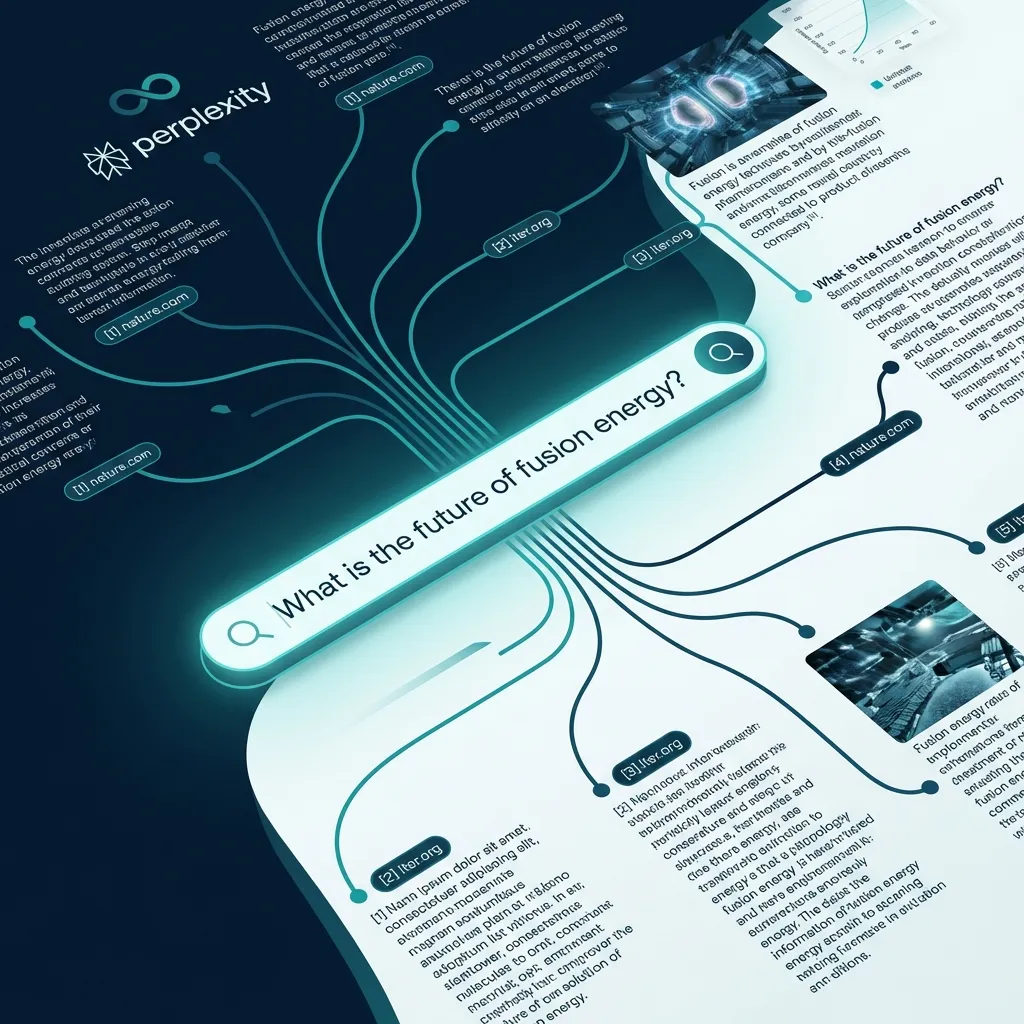
Google wants you to click. Perplexity wants you to read.
This fundamental difference changes everything about how we optimize content.
If you are treating Perplexity like Google, you are failing. Keyword stuffing doesn't work here. Backlink buying doesn't work here.
Perplexity is an Answer Engine. Its goal is to synthesize the best possible answer from multiple credible sources. To win, you don't need to be the "most popular" site (like on Google); you need to be the most useful citation.
Here is the blueprint for ranking in the Answer Engine era.
1. The "Citation Graph" > The Link Graph
In traditional SEO, a link from a high DA (Domain Authority) site was gold. In Perplexity optimization, a Citation from a high-trust context is gold.
Perplexity's algorithm reads like a journalist. It validates claims by checking if they appear in trustworthy environments.
Where you need to be cited:
- Niche Communities: Perplexity loves Reddit, Hacker News, and specialized forums because that's where "real humans" discuss products. If you are a B2B SaaS, a positive thread on r/SaaS is worth more than a Forbes guest post.
- Data Repositories: Crunchbase, Wikipedia, and public documentation sites are treated as "ground truth."
- Academic/Technical Sources: For technical queries, Perplexity indexes arXiv and whitepapers. Publish your research as a PDF or whitepaper.
2. Optimize for "Related Questions" (The Loop)
Scroll to the bottom of any Perplexity answer. You will see "Related".
This is the Retention Loop. Users click these to dive deeper. If you can dominate the initial answer and the follow-up question, you own the topic.
Strategy: The Cluster Defense Don't just write one post about "Best CRM." Write the follow-ups:
- "Best CRM for 10 person teams"
- "CRM pricing comparison 2026"
- "HubSpot vs Salesforce security features"
Perplexity looks for semantic clusters. If your site answers the whole chain of thought, it becomes the "Primary Source" for the entire session.
3. Information Density & formatting
Perplexity has a "boredom penalty." If it scans 500 words of fluff to find one fact, it will likely skip your site.
The "Bottom Line Up Front" (BLUF) Method:
- Paragraph 1: The direct answer.
- Paragraph 2: The supporting data/statistic.
- Paragraph 3: The nuance/context.
Use Markdown Tables extensively. Perplexity often lifts tables directly from your site into its answer interface. If you have a pricing page without a clear table, you are invisible.
4. Date Stamping and Freshness
Perplexity is obsessed with freshness. It explicitly shows citation numbers [1] that link to sources.
If your article is from 2024 and your competitor's is from last week, Perplexity will cite your competitor for any query involving "current," "best," or "new."
Technical GEO Fix:
- Ensure your
<meta property="article:published_time">andmodified_timeare accurate. - Don't just update the date; update the facts. If you change the date but the content remains "2024 trends," the Large Language Model (LLM) detects the semantic mismatch and downgrades your trust score.
Conclusion
Ranking in Perplexity feels harder because you can't game it with "SEO tricks." You actually have to be the best answer.
But the reward is higher. A Perplexity user is high-intent. They aren't browsing; they are researching. Being the cited authority in their answer isn't just a view—it's an endorsement.
Is Perplexity citing your brand? Find out with the ViaMetric Citation Tracker.

Davide Agostini
Android Mobile Engineer and Founder of ViaMetric. Davide specializes in technical SEO and the emerging field of Generative Engine Optimization (GEO), helping founders navigate the shift from links to AI citations.
Frequently Asked Questions
- How is Perplexity SEO different from Google SEO?
- Google prioritizes backlinks and keywords. Perplexity prioritizes 'information density' and citations from diverse, credible sources (like academic papers, Reddit discussions, and reputable news).
- What sources does Perplexity favor?
- Perplexity heavily weighs 'discussion' signals (Reddit, LinkedIn) and 'fact' signals (Wikipedia, arXiv, crunchbase). It trusts user consensus and verified data over generic marketing blogs.
- How do I trigger a Perplexity citation?
- You need to answer the question directly. Ambiguous content gets ignored. Use clear 'Question -> Answer' formatting and ensure your data is dated and specific.